Dealer and auction transport 4 min read
From Auction to Dealership: Coordinating Canadian Vehicle Delivery
Winning a vehicle at auction starts a chain of tasks before it can reach a dealership. Payment and release must be complete, the correct unit must be identified, its condition must be described accurately, and the delivery lot must be ready to receive it. Fleet X Direct helps coordinate the transportation leg between auction and dealer when the route and carrier are available.
Confirm the auction has released the unit
Check the auction's current payment, title, gate-pass, appointment, and pickup rules. Confirm that the vehicle is marked ready for release and that the person arranging transport is authorized to do so. Provide the buyer number, lot or stock reference, VIN, pickup contact, and any release code required by the facility.
Do not schedule a carrier on the assumption that a successful bid alone means the unit can be collected. If release paperwork is pending, confirm the expected completion and storage deadline before setting the pickup window.
Tell the carrier what the inspection did and did not show
Auction condition descriptions can be brief. Share the details that matter for loading: starts or does not start, steering and braking status, keys, tire condition, visible damage, leaks, and modifications. Attach current photos if available and identify the exact parking row or staging area.
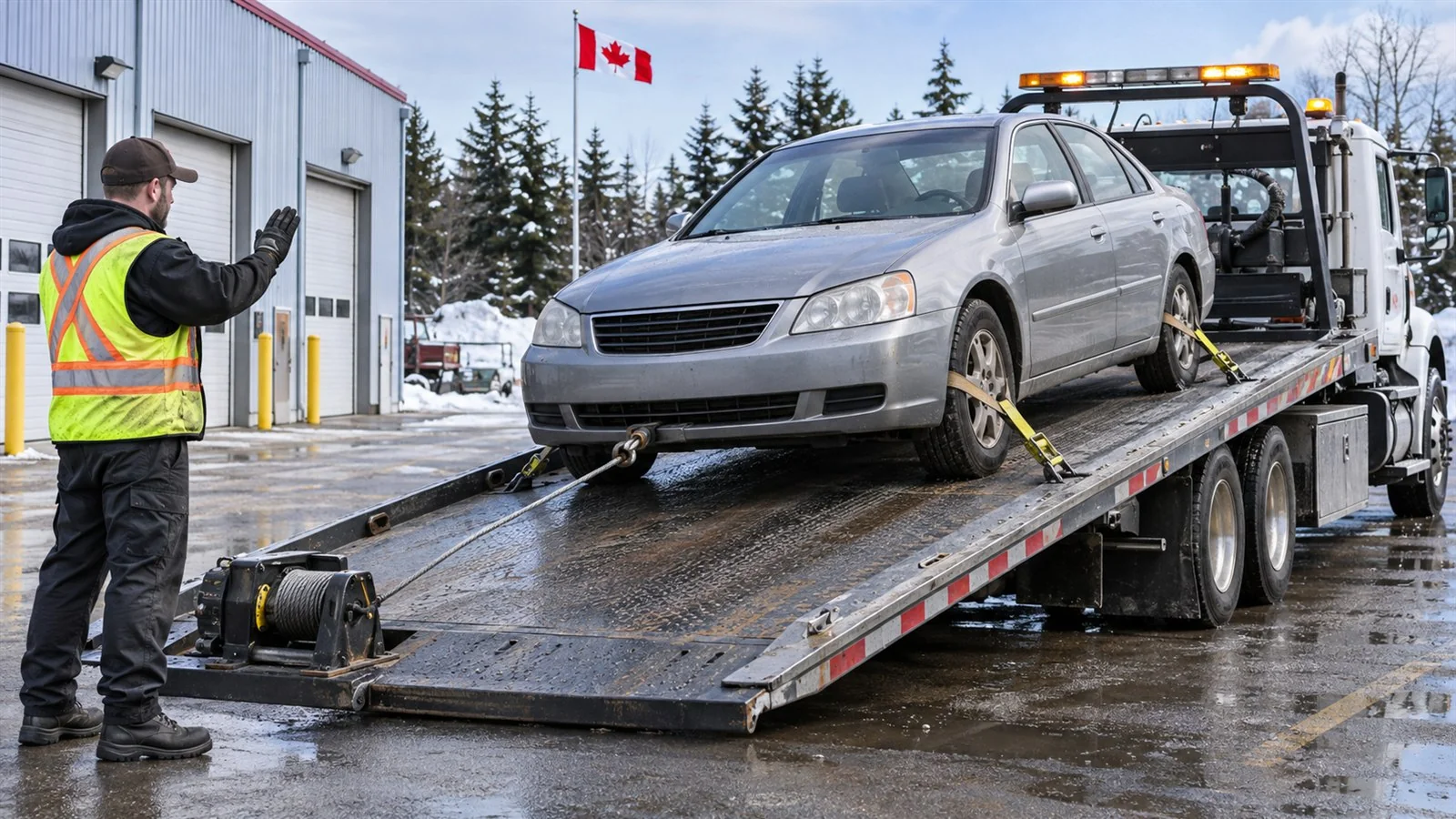
A vehicle that cannot be driven onto a trailer may need winching or specialized equipment. That needs advance review; it should not be discovered when the driver reaches the lot.
- VIN, lot number, and auction release status.
- Running condition, keys, tires, and steering/braking status.
- Photos, pickup instructions, and any loading restriction.
Coordinate the dealership's receiving window
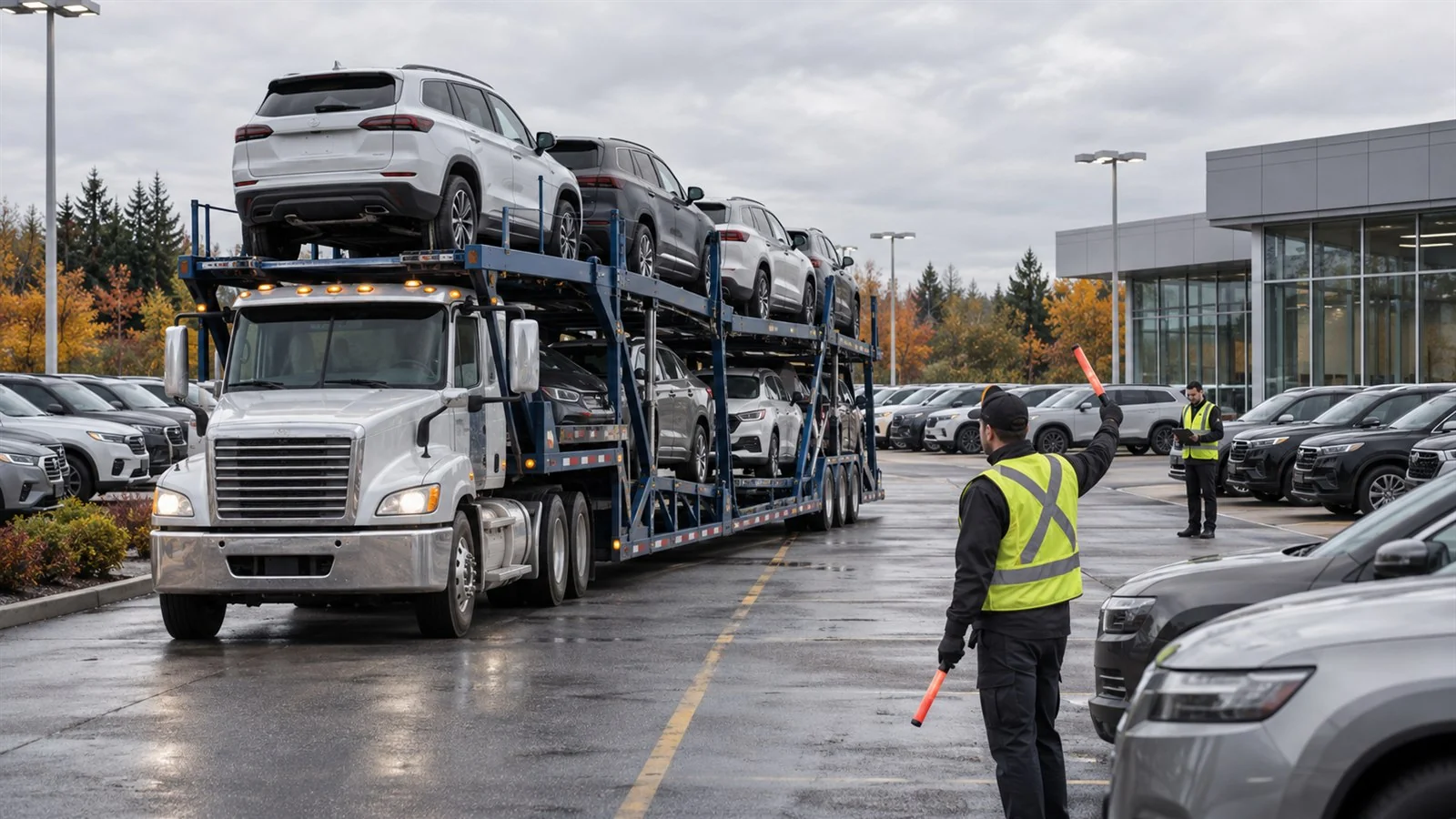
The dealership should confirm the delivery address, intake hours, contact, and space for unloading. If the destination lot is closed on certain days or has restricted carrier access, include those details in the booking request.
For a retail customer delivery instead of dealer inventory, confirm the recipient can be present and that the street or driveway is suitable. A nearby meeting point may be needed for a larger carrier.
Choose equipment only after both ends are understood
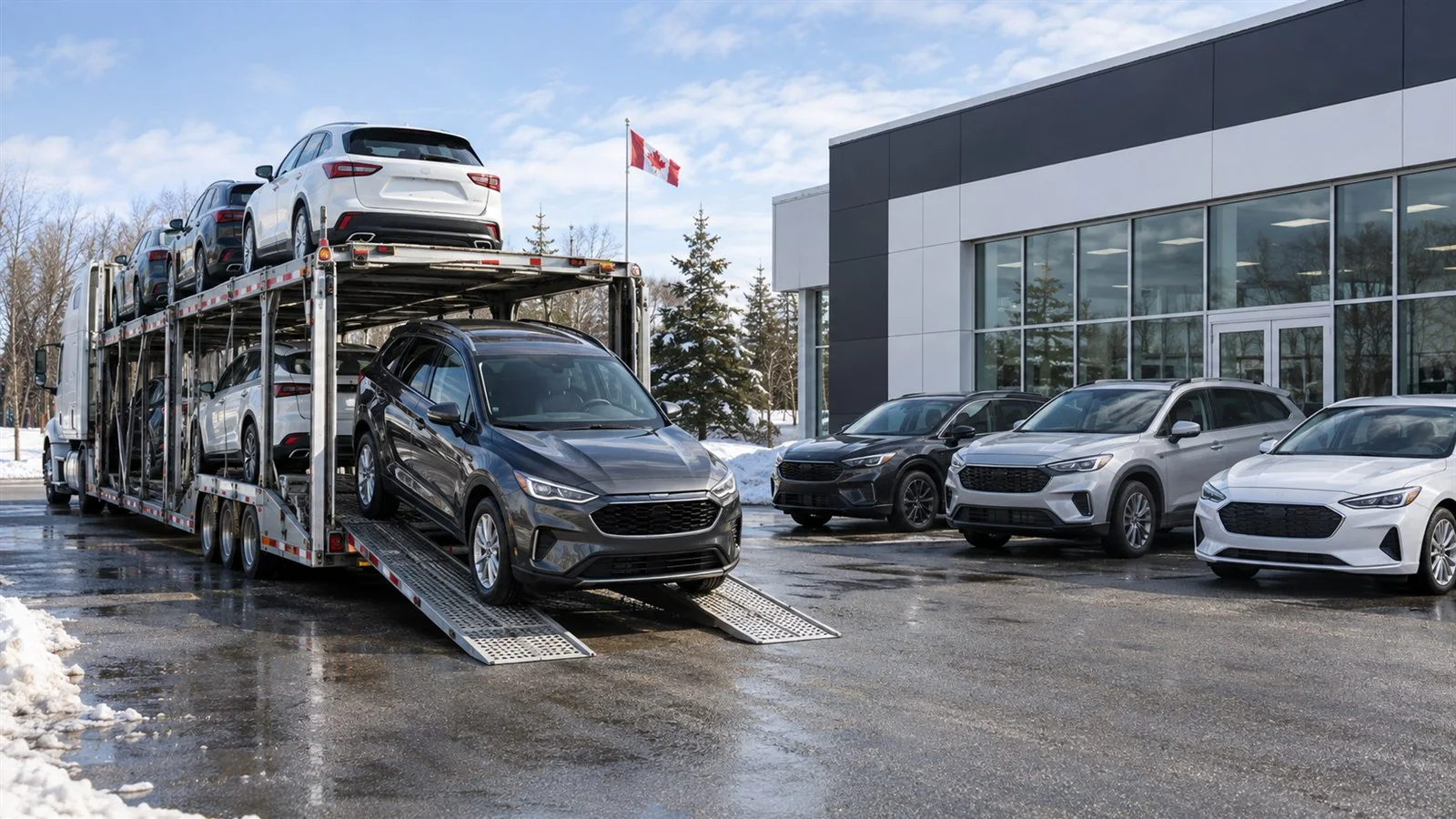
Open multi-car carriers can be suitable for many running, standard-size vehicles. Enclosed transport may be considered for a specialty vehicle. Flatbed or tow-style equipment may need to be reviewed if the unit is inoperable, damaged, or difficult to reach.
Vehicle fit, carrier acceptance, route availability, and auction access all affect the plan. Ask for the transport mode and the quote assumptions in writing so the dealership knows what is being arranged.
Match the delivery receipt to the stock file
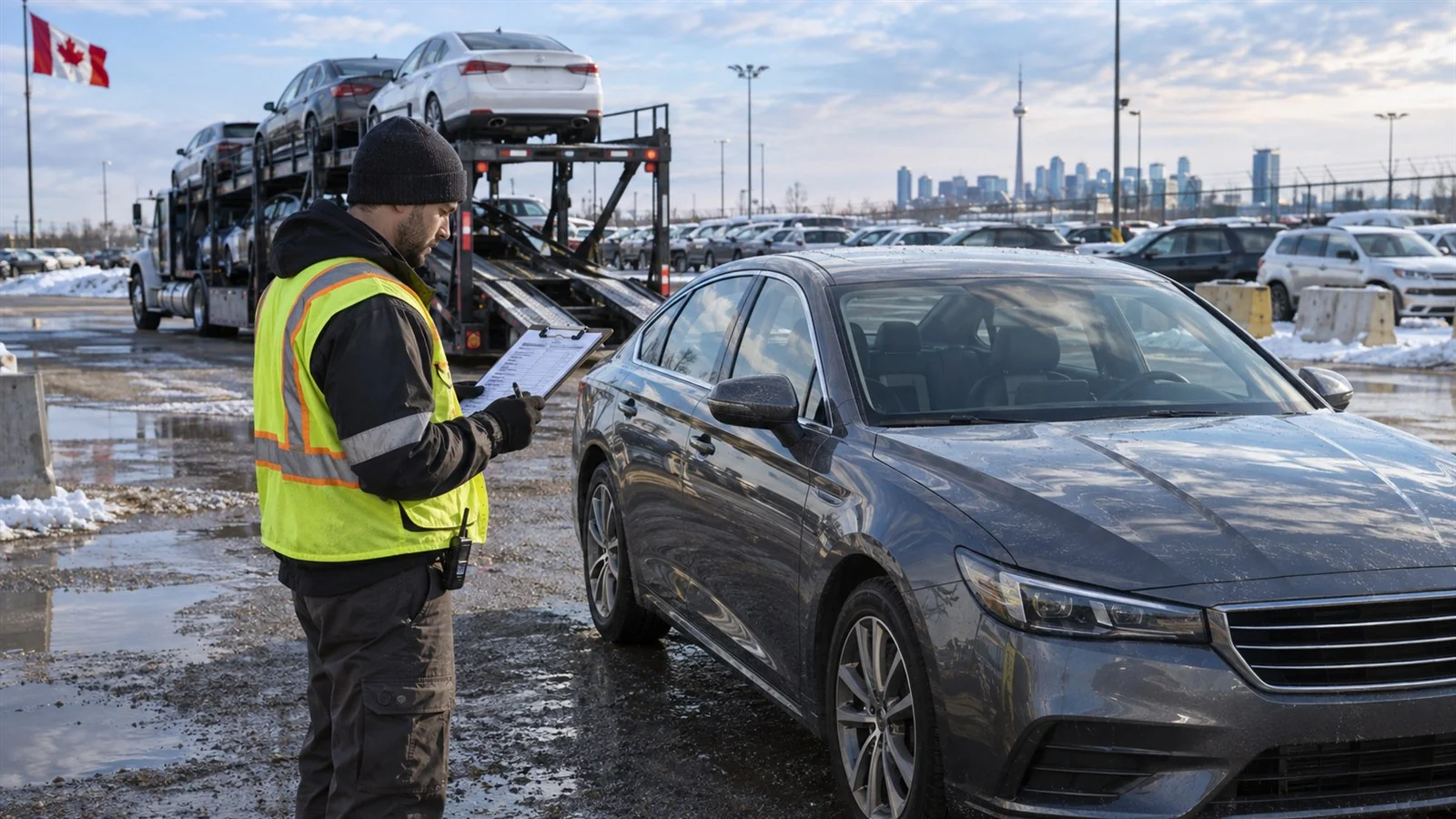
At pickup and delivery, record the VIN, visible condition, date and time, and the person accepting the unit. Photograph the vehicle before loading and on arrival. If there is a concern, note it on the transport paperwork before signing and follow the carrier's stated reporting process.
A complete record connects the auction purchase to dealership intake. Fleet X Direct coordinates the transport; the auction controls release and the dealer controls its receiving process.
Run an auction release checklist before dispatch
Confirm that payment has cleared, the vehicle is officially released, and the driver can present the required gate pass or authorization. Check current appointment rules, pickup hours, storage deadlines, entrance instructions, and the vehicle's row or staging location. A successful bid is not the same as a ready-to-collect unit.
Match the VIN and lot number on the release file to the transport request. For multiple purchases, check release status one vehicle at a time; one ready unit does not mean the rest of the list can be collected.
Re-confirm the plan when condition or access changes
If keys go missing, a tire loses pressure, the steering locks, damage is discovered, or the vehicle is moved to a different area, tell the coordinator before the truck arrives. The assigned carrier may need a different loading method or may have to re-evaluate acceptance.
At the dealership, confirm an authorized receiver, open intake hours, and space for the equipment to unload. A clear pickup file and a prepared destination turn an auction purchase into a documented delivery rather than a last-minute recovery job.
What information does an auction pickup request need?
Provide the VIN, lot number, auction location, release status, gate or appointment instructions, vehicle condition, keys, pickup deadline, and dealership delivery details.
Can an auction vehicle that does not run be delivered to a dealer?
It may be possible with the right loading plan and equipment, but the condition must be disclosed and accepted before booking. Share steering, braking, tire, key, damage, and access details.
Can the dealership receive delivery outside business hours?
Only if the booked carrier and the dealership have agreed on that arrangement. Confirm access, an authorized receiver, and unloading requirements in advance.
Plan your vehicle shipment
Send your pickup, vehicle, and delivery details to the Fleet X Direct team.
Discuss a shipment