Vehicle equipment and preparation 3 min read
Shipping a Non-Running Car in Canada: What to Tell the Transporter
A non-running vehicle may still be transportable, but the carrier needs more than the words 'it does not start.' The exact problem affects how the car can be loaded, secured, and unloaded. Before requesting a quote, describe what works, what does not, and what equipment can access the vehicle. Fleet X Direct coordinates options only after those details are reviewed.
Explain what 'non-running' means
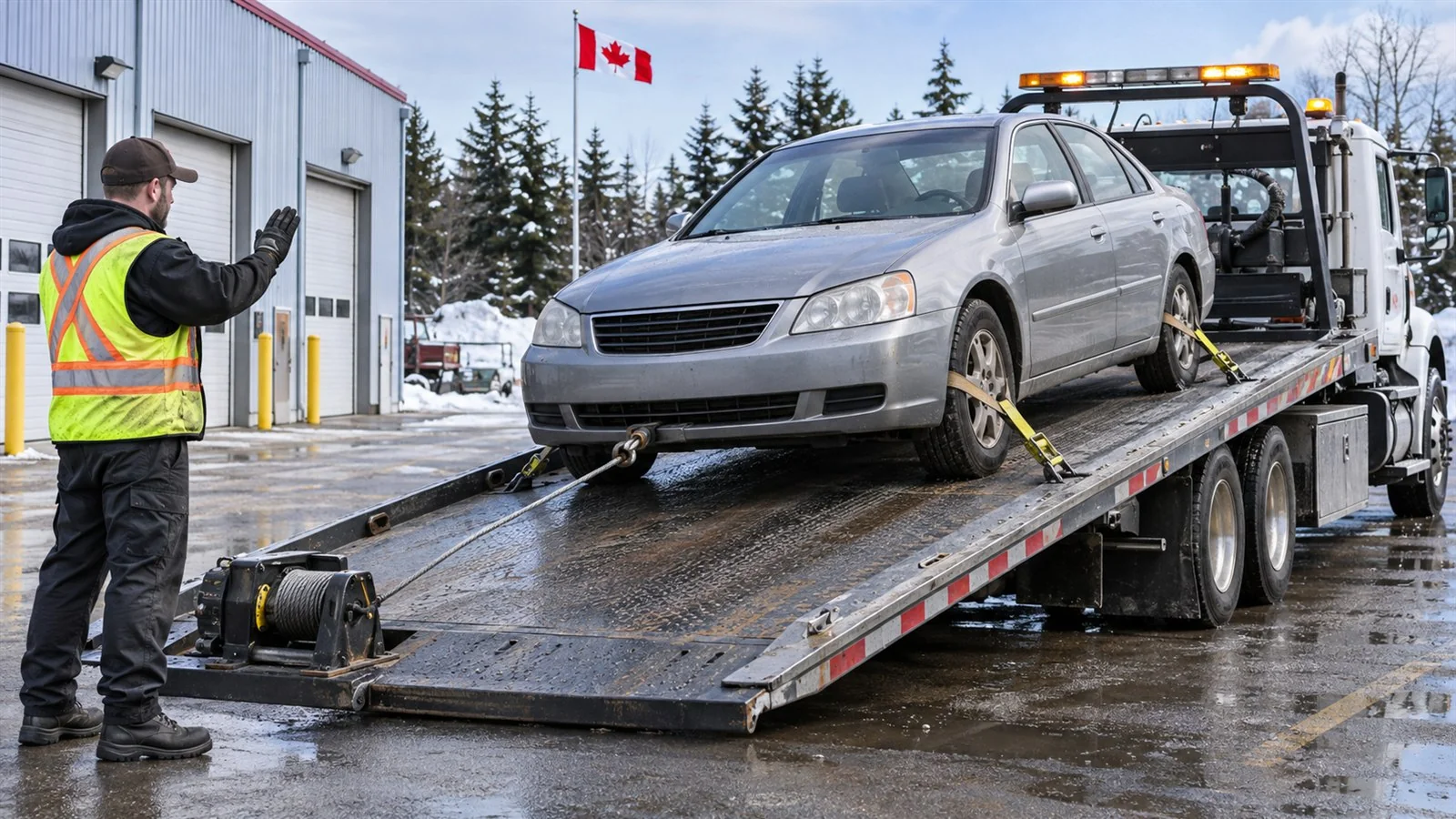
Does the engine fail to start, or is the vehicle also unable to steer, brake, roll, or shift into neutral? Are all four tires inflated? Are keys available? Is there collision damage, a fluid leak, a seized wheel, or a missing component? Each answer changes the loading plan.
If the car is electric or has battery damage, say so directly and follow the carrier's acceptance requirements. A disabled EV can need different safety review from a conventional vehicle with a dead battery.
Send photos and exact location details
Photograph the vehicle from each side, show the tires and ground clearance, and include any damage or obstacle near the vehicle. Tell the coordinator whether the car is in a garage, on a slope, behind other vehicles, or in a tight auction row.
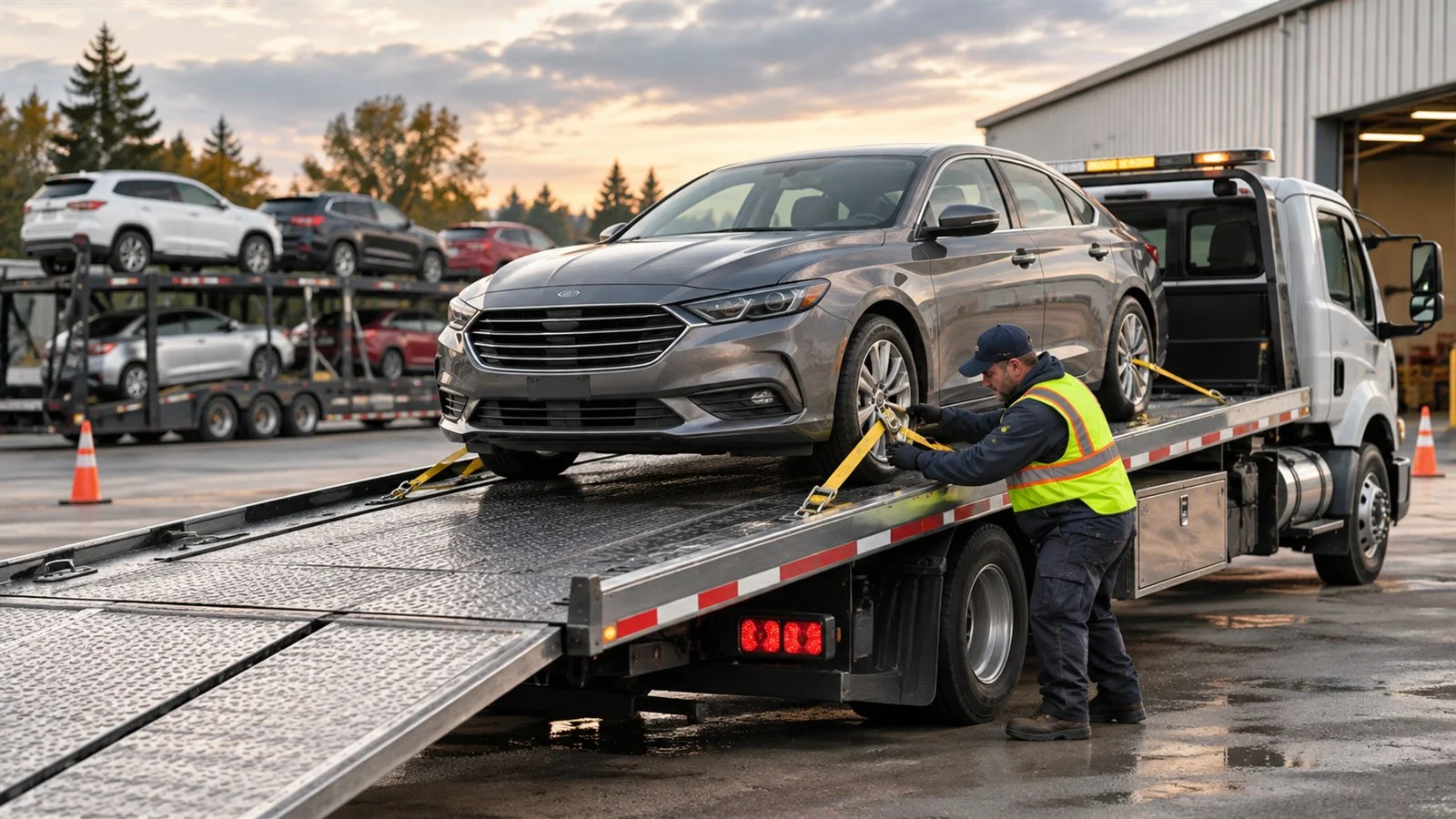
A flatbed or winch setup may require clear space and a stable loading surface. The carrier must confirm it can reach and safely load the unit at the specified address.
- VIN, year, make, model, and approximate dimensions.
- Steering, brakes, tires, keys, and neutral/rolling status.
- Damage, leaks, battery concerns, and loading obstacles.
- Pickup and delivery access, photos, and contact hours.
Do not assume standard carrier service will work
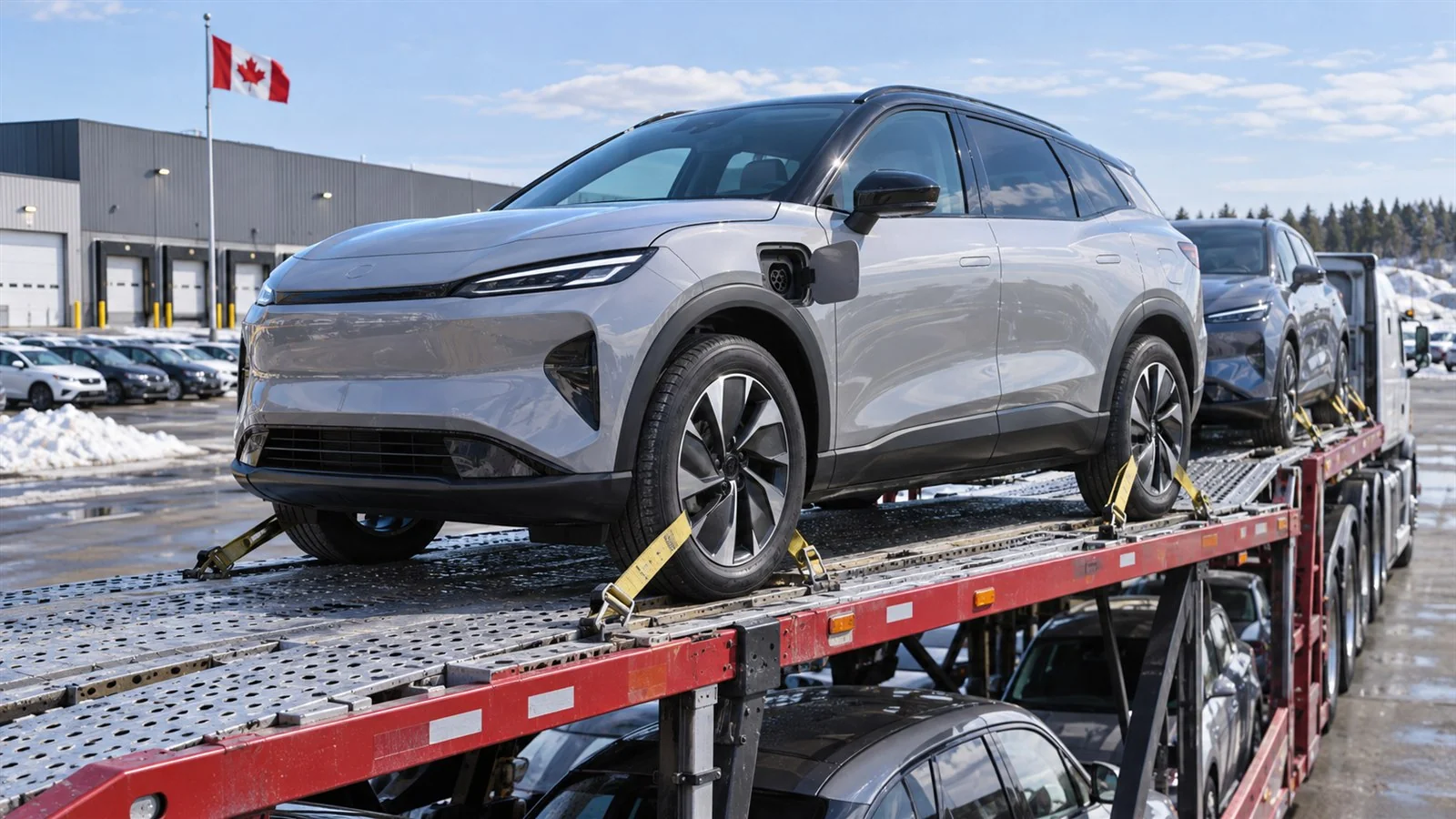
Many open multi-car carriers are planned for vehicles that can be driven or handled in a particular way. A disabled unit may need different equipment, an extra loading step, or a separate move. Confirm the quoted service explicitly includes the non-running condition.
If the car's condition changes between quote and pickup, tell the coordinator immediately. A carrier arriving with equipment that cannot load the vehicle can delay the shipment and create extra charges.
Prepare the handoff safely
Remove loose personal items unless their carriage has been approved. Provide keys if available, disclose alarms or immobilizers, and make sure the release contact understands the loading plan. Keep people and other vehicles clear of the loading area while the operator works.
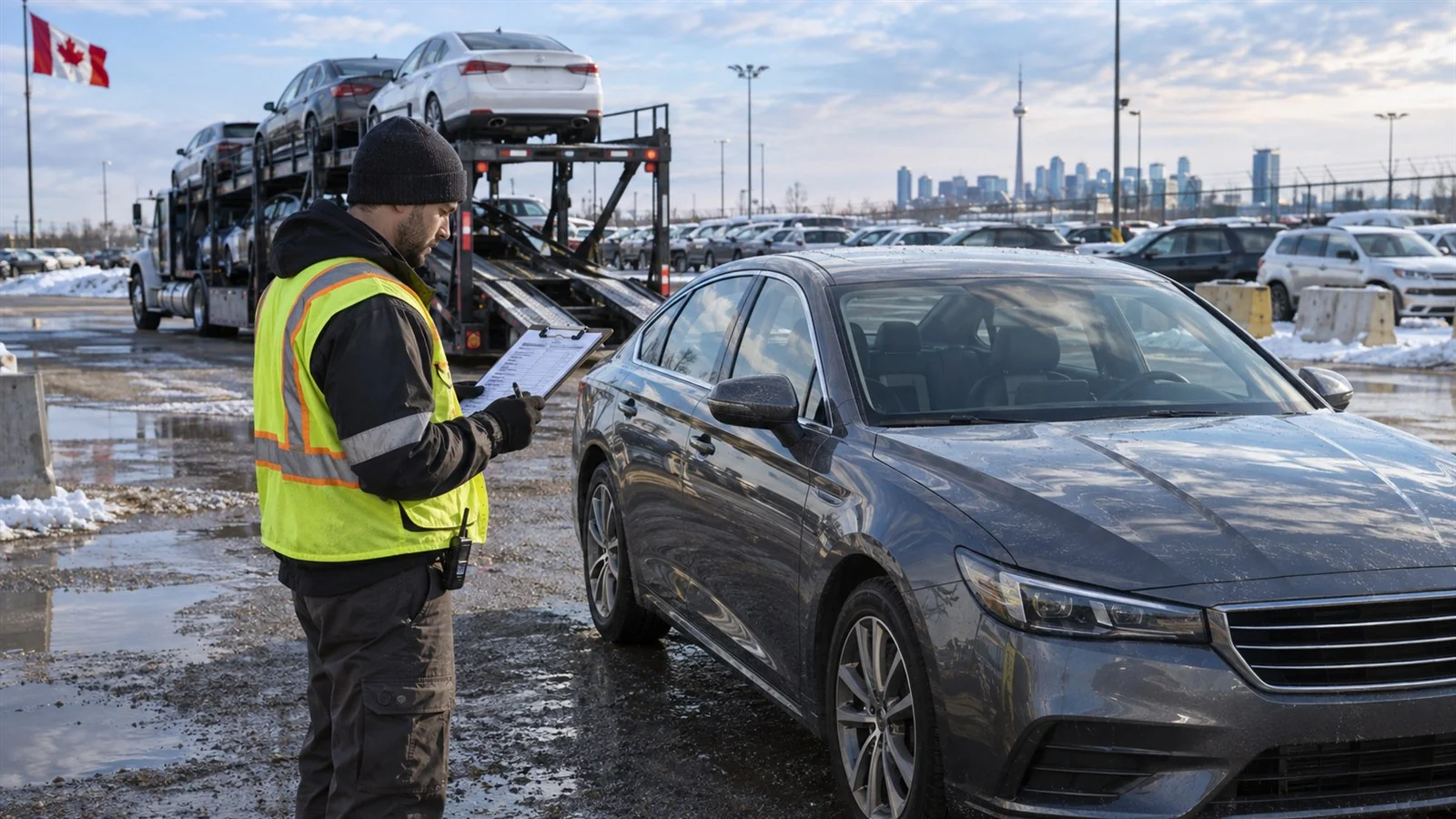
At delivery, inspect the vehicle and record its condition before signing. The receiver should know whether the vehicle will arrive on a flatbed or require a particular unload area.
Confirm the quote and equipment before dispatch
Ask which equipment is assigned, whether winching or special loading is included, what both handoff locations require, and what charges may apply if the stated condition is inaccurate. Confirm the pickup window and the communication plan.
Fleet X Direct helps coordinate the transport arrangement. The carrier determines whether it can accept the vehicle and performs loading under the booked terms.
Can a car with locked wheels be transported?
Possibly, but locked wheels affect loading and need to be disclosed. Provide photos and details so the carrier can review equipment and acceptance.
Do I need to provide keys for a non-running car?
Provide keys if available and disclose if they are missing. The carrier needs to know whether steering, shifting, doors, or alarms can be operated.
Can an accident-damaged vehicle be shipped?
It may require special review. Disclose structural damage, loose parts, leaking fluids, battery damage, and any safety issue before requesting a carrier.
Plan your vehicle shipment
Send your pickup, vehicle, and delivery details to the Fleet X Direct team.
Discuss a shipment