Dealer and auction transport 3 min read
Multi-Vehicle Dealer Transport in Canada: When to Coordinate a Batch
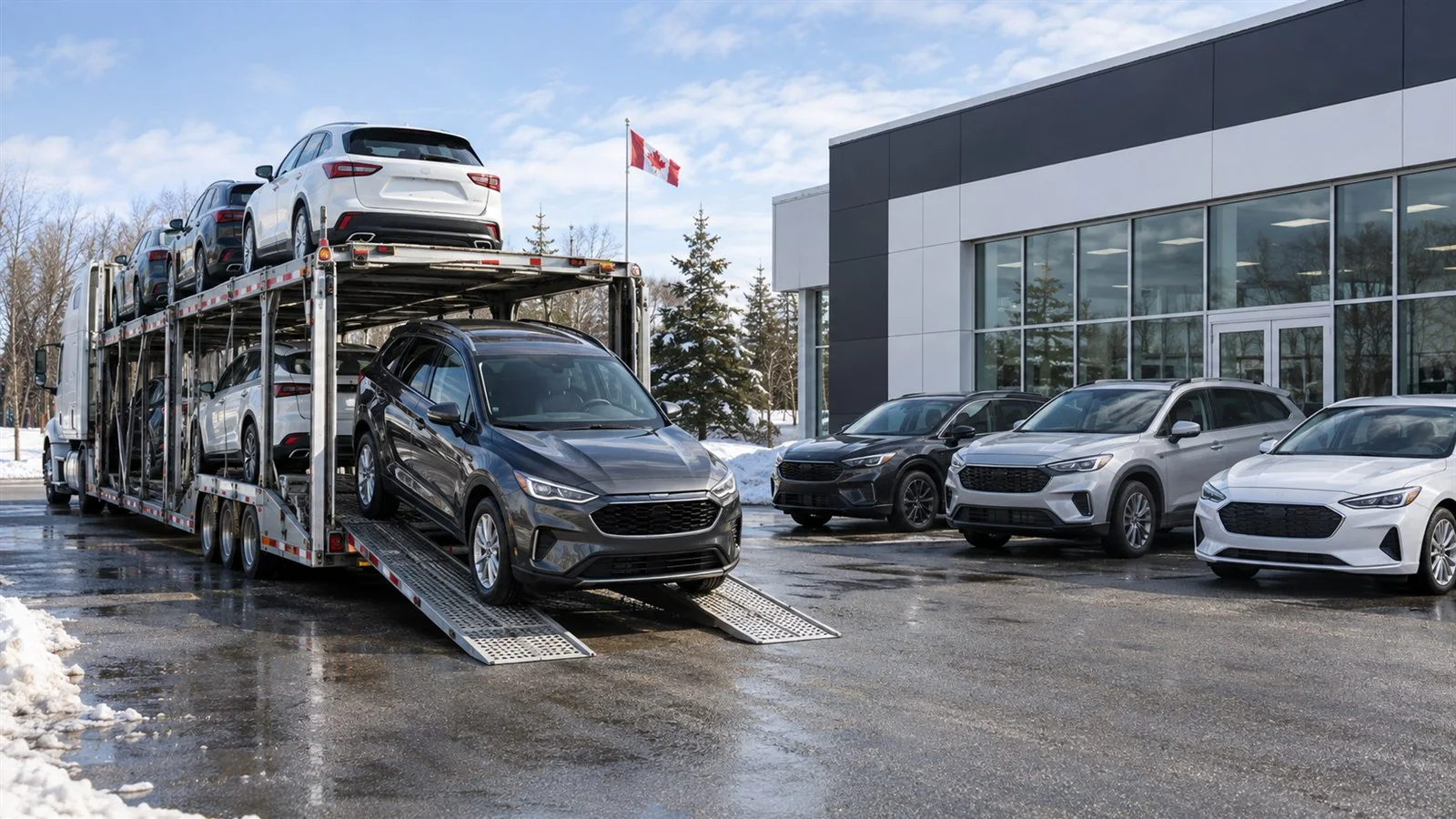
Moving several vehicles together can simplify dealer operations, but it does not automatically guarantee lower cost or a faster delivery. Batch planning works best when each VIN, pickup status, destination, and receiving window is known. Fleet X Direct coordinates multi-vehicle requests based on lane availability, equipment, and the specific units included.
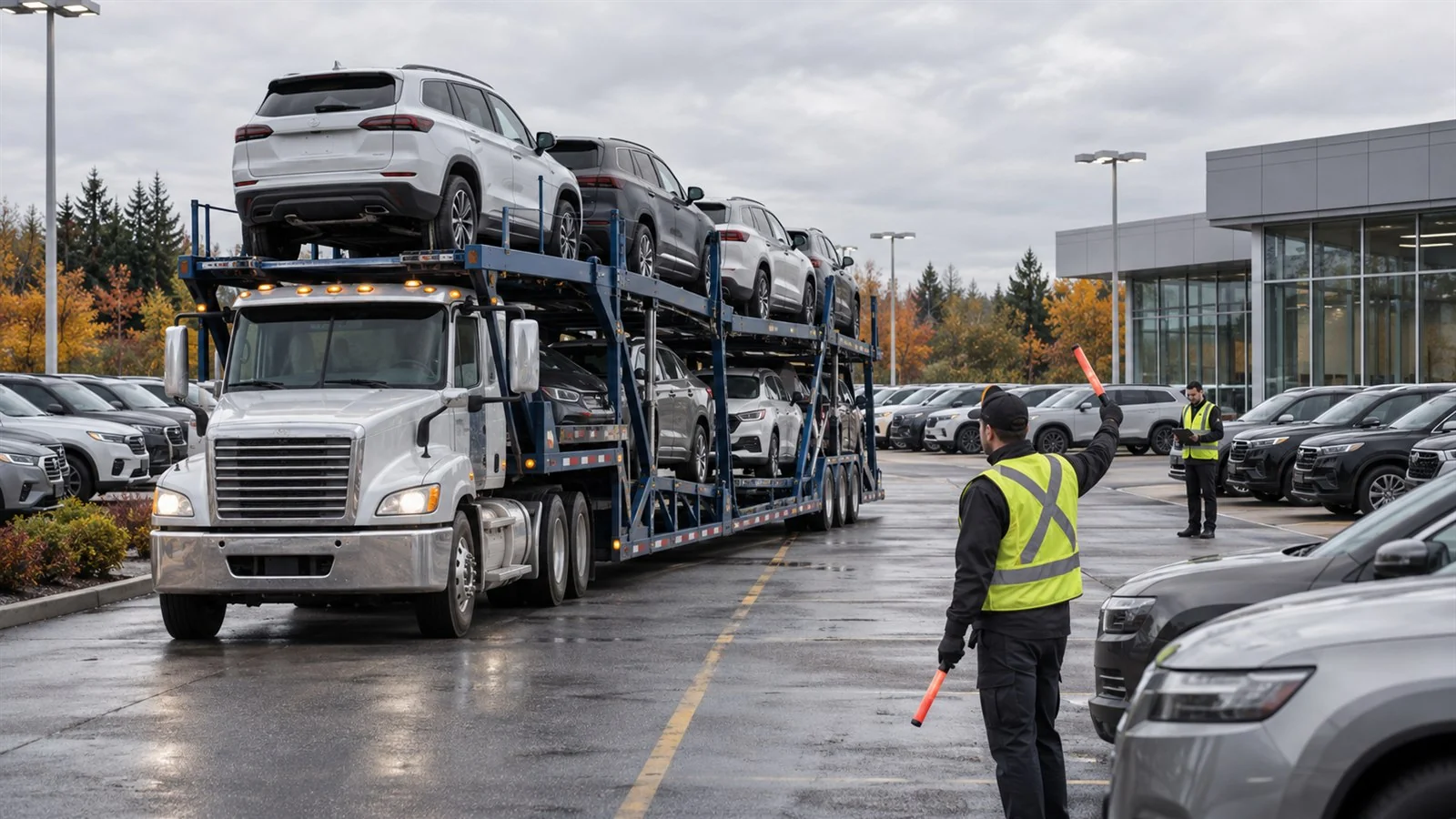
Decide which vehicles truly belong in one batch
Group units that share a pickup point, delivery region, and compatible timing. If one vehicle is not released or needs special equipment, it may not fit the same plan as the rest. A complete manifest lets the transport coordinator see where the group aligns and where a separate move may be more practical.
Do not combine vehicles only because they are all going to the same province. Confirm the actual addresses, release dates, vehicle conditions, and receiver capacity.
Build a VIN-level manifest
List one vehicle per line with VIN, stock or lot number, year, make, model, size, running condition, keys, pickup location, delivery location, and preferred window. Add a current photo or condition note for any unit that differs from standard.
Assign one operations contact who can resolve changes. If each dealership location sends separate updates, identify who has authority to confirm the final manifest and approve a change.
- Release-ready status for every unit.
- Equipment notes for non-running, modified, or low-clearance vehicles.
- Receiving hours, unload space, and contact at each destination.
Check trailer capacity and loading order
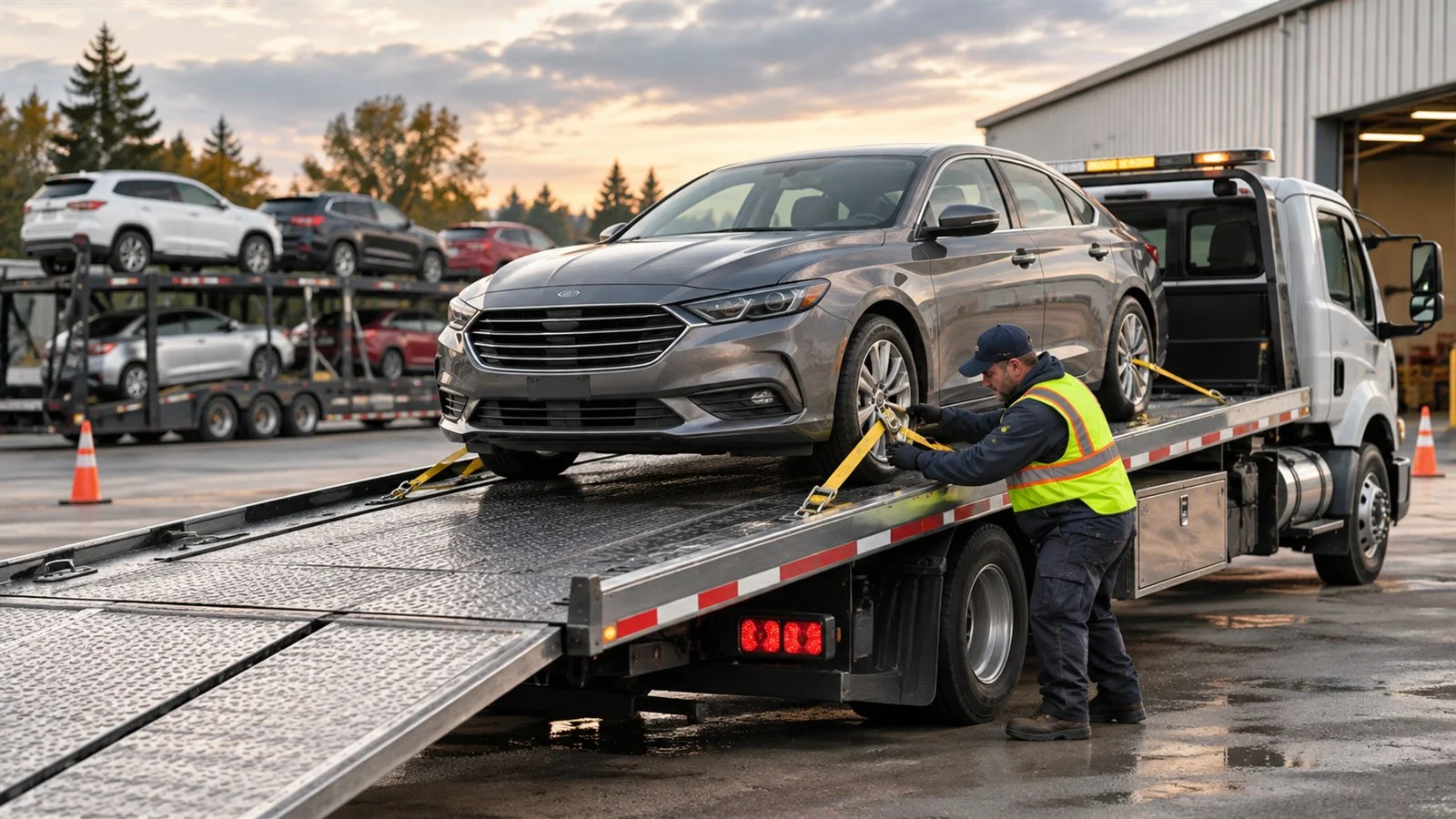
The carrier determines whether the vehicle sizes, weights, conditions, and pickup sequence fit available equipment. Loading order can affect which unit is delivered first and whether stops can be made efficiently.
Ask whether the plan uses one pickup and one delivery location or multiple stops. A multi-stop route may have different timing and cost assumptions than a single-lot transfer. Confirm the plan before communicating delivery estimates to customers or sales teams.
Align auction releases and dealer receiving hours
A batch can be delayed by one unit that is not ready. Verify auction payment, gate-pass details, appointments, lot access, and storage deadlines for each vehicle. At the receiving end, make sure the destination lots can accept all units or confirm a staggered delivery plan.
If an inventory unit is late to release, tell the coordinator promptly. The group may need to be re-planned rather than holding the entire shipment on an assumption.
Reconcile delivery unit by unit
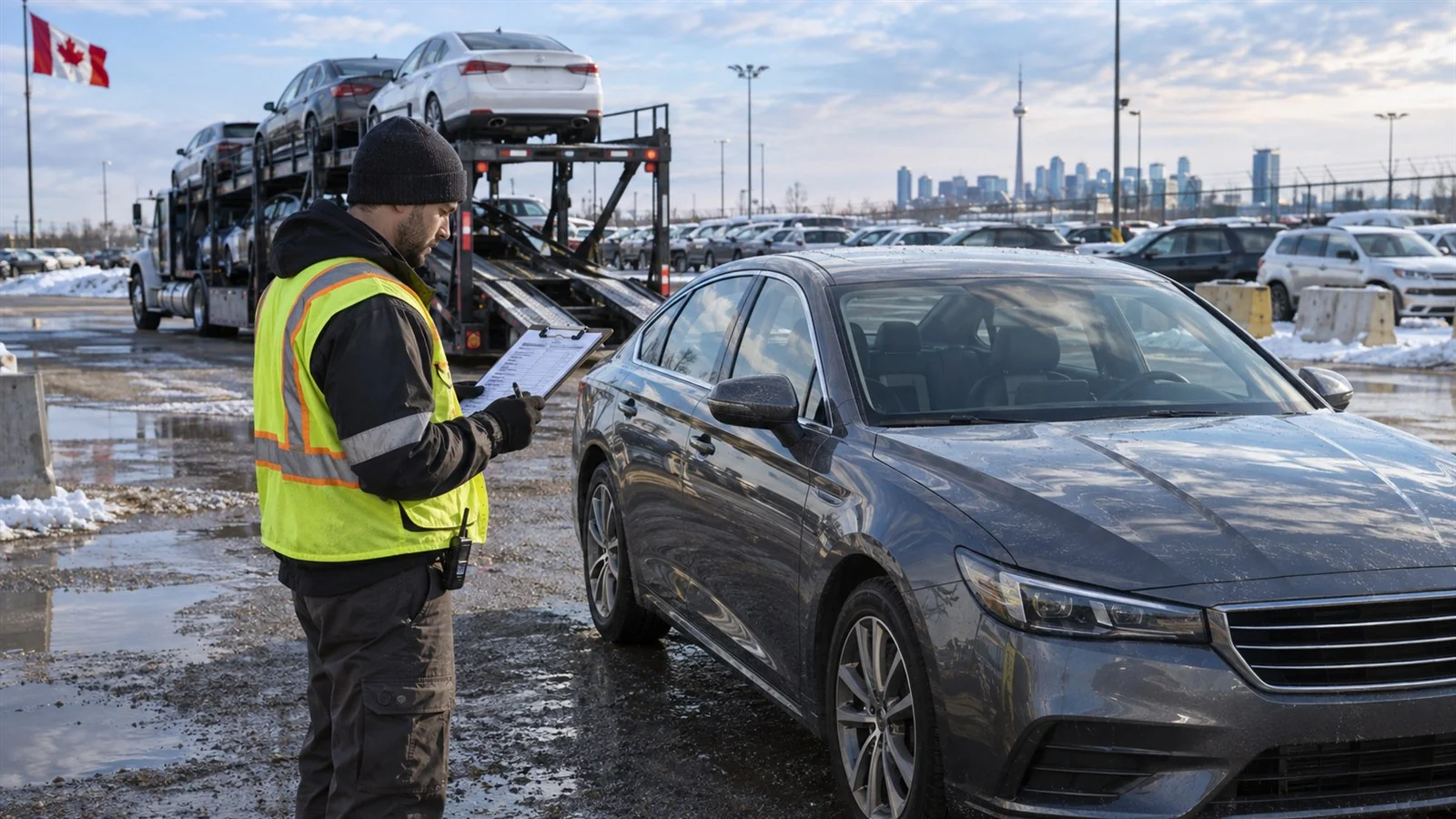
At each handoff, match the VIN to the manifest, record visible condition, and capture the receiving contact and time. Keep individual transport documents with the corresponding stock file. If there is an exception, identify the affected unit rather than marking the whole batch incomplete.
A batch request is a planning method, not a promise of a discount. Compare the written scope and equipment plan with separate-vehicle quotes before choosing the approach.
How many vehicles can be moved in one batch?
Capacity depends on the carrier equipment, vehicle sizes and weights, route, and pickup/delivery pattern. Provide the complete VIN list for review instead of assuming a fixed count.
Does batching always cost less?
Not always. Compare the actual written quote and service scope. Multiple stops, different conditions, or staggered readiness can change the economics.
Can one non-running unit be included with running dealer inventory?
It may require a different loading method or carrier, so disclose its condition before the group is planned. The coordinator can review whether one combined move is feasible.
Plan your vehicle shipment
Send your pickup, vehicle, and delivery details to the Fleet X Direct team.
Discuss a shipment