Canadian route guide 3 min read
Calgary to Vancouver Car Transport: Route, Weather, and Vehicle Prep
Calgary-to-Vancouver car transport crosses a region where weather, elevation, road conditions, and destination access deserve attention. The right plan begins with the vehicle's condition and the two handoff locations, then adds a schedule that can adapt to carrier availability and changing conditions. Fleet X Direct coordinates options for private owners and dealers according to the specific shipment.
Choose pickup and delivery points with truck access in mind
Confirm whether the origin is a home, dealer, auction, or storage facility and whether a long vehicle carrier can safely reach the loading area. At delivery, check parking and road restrictions, steep driveways, garage height, and the space needed to unload.
If direct access is not practical, discuss a nearby meeting point. Both the releasing party and receiver should agree on the alternative before pickup so the carrier has one clear instruction.
Disclose vehicle details that change loading
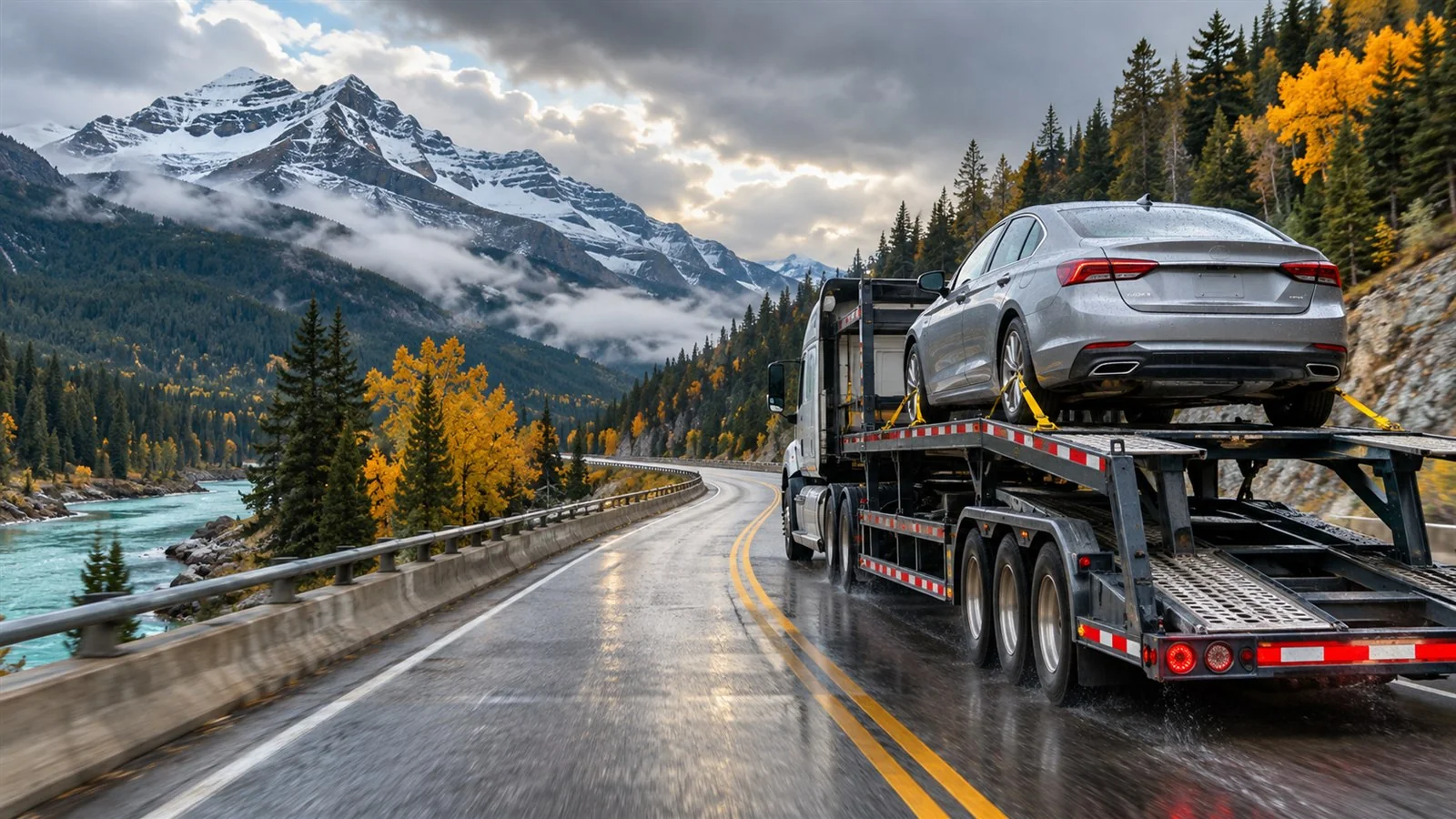
Share the VIN, dimensions, running status, keys, and any modifications. Mention low ground clearance, oversized tires, flat tires, leaks, damage, or steering and brake issues. Mountain-route weather can make a safe loading and securement plan especially important, but the actual equipment choice still depends on the carrier and vehicle fit.
If the vehicle is an EV, damaged, or has a battery concern, disclose that specifically and request the booked carrier's acceptance requirements. Do not assume all carriers handle every condition in the same way.
Make the schedule weather-aware
Conditions can change between booking and travel. Ask how the carrier communicates delays and how a revised pickup or delivery window is handled. If your timing is flexible, state that up front; if a date is critical, ask what can actually be confirmed for the lane.
Avoid scheduling a flight, move-in, or vehicle handover with no buffer around an estimated arrival. A transparent range and an identified contact are more useful than a precise but unsupported promise.
Prepare the vehicle for pickup
Remove loose belongings unless the service permits them, make the keys available, and follow the carrier's instructions for alarms, fuel or charge, and removable accessories. Photograph the vehicle from all sides and capture existing damage before loading.
The pickup contact should know where to meet the driver and which documents or release code are needed. At delivery, the receiving party should inspect the car before signing and record any concern on the transport paperwork.
Compare the quote and service scope
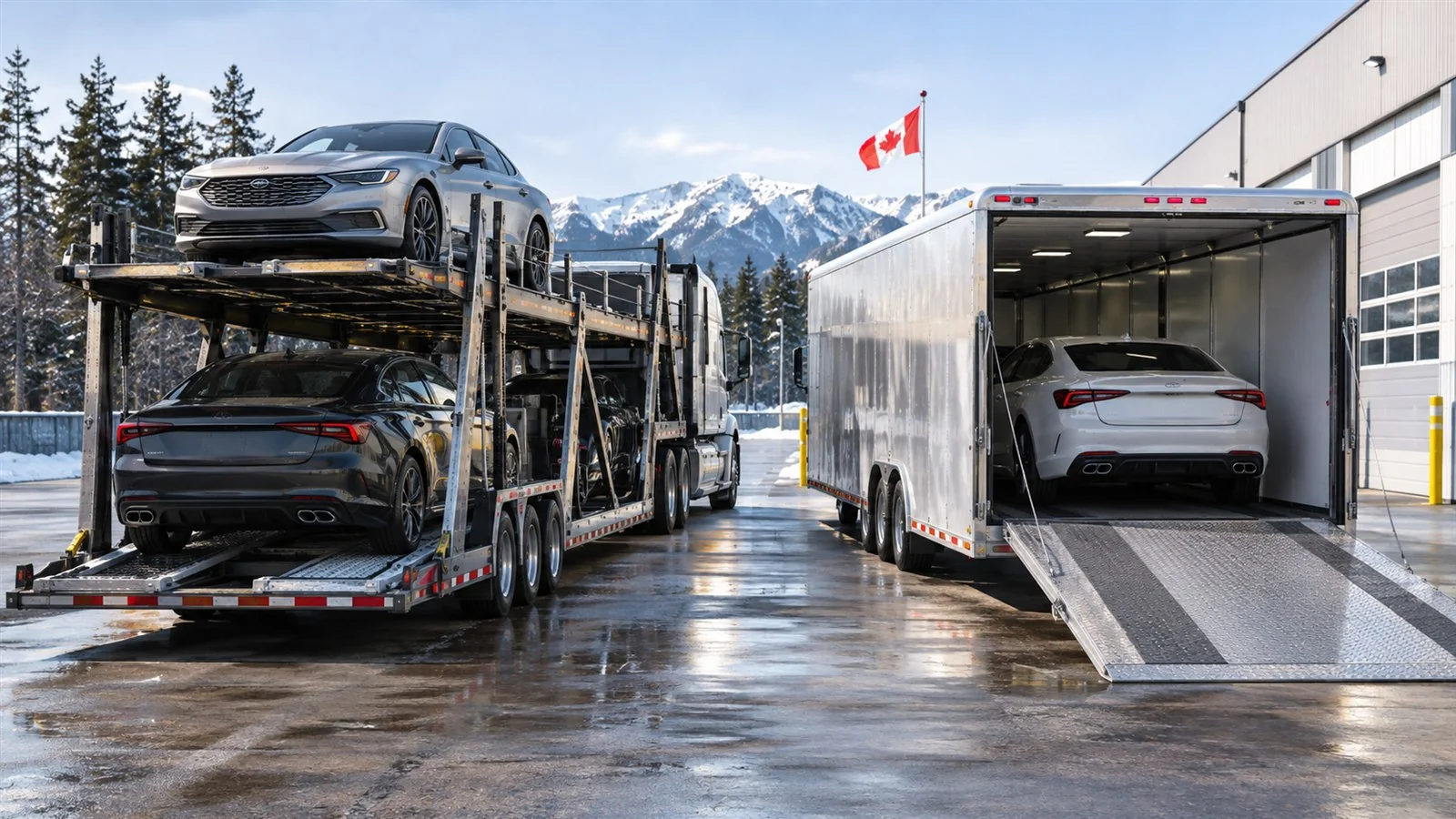
Confirm whether the plan is open or enclosed, door-to-door or a meeting-point handoff, and what charges or accessorials are included. Ask how the quote changes if the condition, address, or date differs from the details provided.
Fleet X Direct can coordinate the vehicle movement from Calgary to Vancouver subject to route and carrier availability. The quote should be based on the actual vehicle and pickup/delivery information rather than a generic regional rate.
Does mountain weather affect Calgary-to-Vancouver delivery estimates?
Weather and road conditions can affect schedules. Ask for a current estimate and the carrier's update process, and leave flexibility when the delivery date is important.
Can a carrier pick up from a steep driveway?
Access depends on the truck, driveway geometry, surface, and safety. Describe the slope and entrance or arrange a safer nearby meeting point.
Can I ship an SUV or pickup on this route?
Share the exact vehicle dimensions, weight if available, and any modifications. Carrier and trailer fit must be confirmed for the specific unit.
Plan your vehicle shipment
Send your pickup, vehicle, and delivery details to the Fleet X Direct team.
Discuss a shipment